Monday, April 20, 2026
  • Contact
  • Home
  • Privacy Policy
The Coin Updates
  • Home
  • Bitcoin
  • Blockchain Technology
  • Ethereum
  • Altcoins
  • NFTs/DeFi
  • Crypto Opinion
  • More
    • Crypto Regulations
    • Trading
No Result
View All Result
The Coin Updates

How Blockchain Interoperability Will Drive the Future of Decentralization

by The Coins Updates
October 21, 2024
in Blockchain Technology
How Blockchain Interoperability Will Drive the Future of Decentralization
0
SHARES
Share on FacebookShare on Twitter

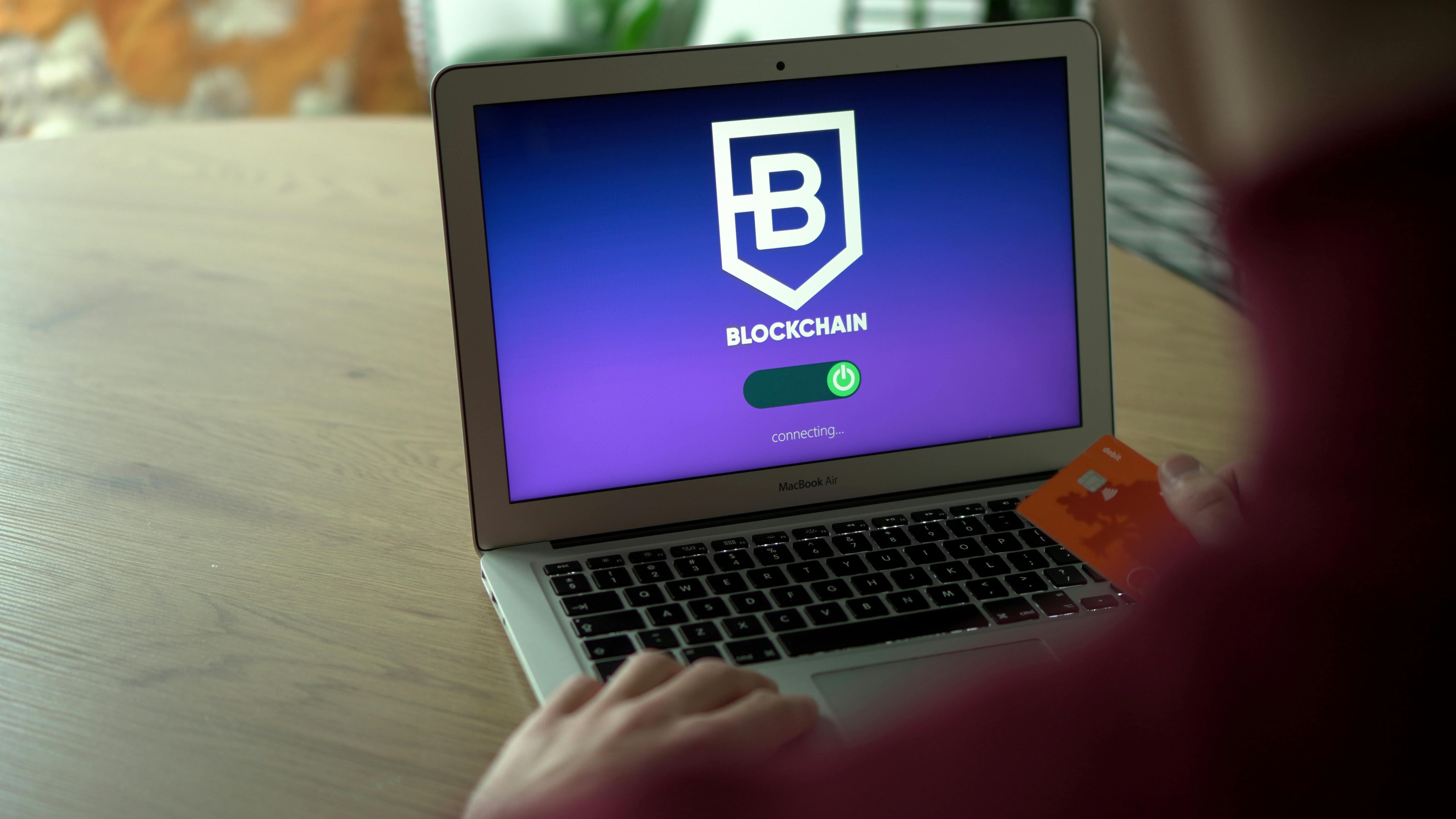
Blockchain technology has evolved from a simple foundation for cryptocurrencies like Bitcoin to a comprehensive ecosystem powering decentralized applications (dApps), decentralized finance (DeFi), non-fungible tokens (NFTs), and more. However, the blockchain landscape remains fragmented, with multiple independent networks such as Ethereum, Binance Smart Chain, Polkadot, and others functioning in silos. Each blockchain provides unique functionalities but lacks seamless communication with other blockchains.

Blockchain interoperability aims to bridge these isolated systems, enabling data, assets, and smart contracts to move freely across different networks. As we step into the future of decentralization, achieving blockchain interoperability will be critical to unlocking new use cases, enhancing user experience, and driving the adoption of decentralized technologies. This article explores the role of interoperability, the challenges it solves, its impact on decentralization, and what the future holds.

Related posts

Why Blockchain Is the Future of Supply Chain Transparency

Why Blockchain Is the Future of Supply Chain Transparency

November 11, 2024
Top Blockchain Networks for Smart Contracts in 2024

Top Blockchain Networks for Smart Contracts in 2024

October 24, 2024

What is Blockchain Interoperability?

Blockchain interoperability refers to the ability of different blockchain networks to communicate, share data, and exchange assets without intermediaries. Just as the Internet connects websites and services through common protocols, interoperability enables decentralized ecosystems to interact seamlessly.

Several protocols and technologies, such as cross-chain bridges, atomic swaps, and interoperability frameworks (e.g., Polkadot, Cosmos), are driving this vision. It ensures that users are no longer limited to a single blockchain’s ecosystem, opening new possibilities for decentralized applications.


The Importance of Blockchain Interoperability

Without interoperability, decentralized networks remain isolated from one another. This creates several limitations:

  • Limited Asset Mobility: Users need to convert or bridge tokens when switching between blockchains, creating friction.
  • Ecosystem Silos: dApps and DeFi protocols can only function within their native ecosystems.
  • User Experience Issues: Managing multiple wallets and blockchains can become complex and confusing for users.

Blockchain interoperability addresses these issues by creating unified ecosystems where blockchains collaborate, fostering scalability, efficiency, and innovation.


How Blockchain Interoperability Promotes Decentralization

1. Breaking Ecosystem Silos

Interoperability ensures that individual blockchains no longer need to function in isolation. For instance, an NFT minted on Ethereum could be traded on a marketplace running on Binance Smart Chain, or smart contracts could execute across multiple networks. This breaks down the walls between ecosystems, contributing to a more decentralized and interconnected world.

2. Enhancing Asset Liquidity

Interoperable blockchains enhance liquidity by enabling seamless transfer of assets. Liquidity is a key challenge in DeFi, and cross-chain solutions allow assets locked in one blockchain to be used in another. This leads to a larger, more fluid market for cryptocurrencies and other digital assets.

3. Reducing Reliance on Centralized Exchanges

Currently, many users rely on centralized exchanges (CEXs) to transfer assets between blockchains. Interoperability reduces the need for these intermediaries by enabling direct peer-to-peer asset transfers across networks. This aligns with the core principle of decentralization—minimizing third-party control.

4. Strengthening Security through Decentralization

By distributing value and data across multiple interoperable blockchains, systems can become more resilient to attacks. A decentralized web of blockchains can limit the impact of security breaches on any single network, ensuring that the entire ecosystem remains functional and secure.


Key Technologies Enabling Blockchain Interoperability

1. Cross-Chain Bridges

Cross-chain bridges facilitate the transfer of tokens or data between two different blockchains. Popular bridges include Binance Bridge and the Avalanche Bridge, which allow users to move assets seamlessly between Ethereum and other networks.

2. Atomic Swaps

Atomic swaps enable the exchange of cryptocurrencies from different blockchains without the need for an intermediary. These swaps use smart contracts to ensure that transactions either complete or are canceled entirely, reducing risks for users.

3. Interoperability Protocols (Cosmos and Polkadot)

  • Cosmos utilizes the Inter-Blockchain Communication (IBC) protocol, enabling blockchains to communicate and transfer data.
  • Polkadot relies on a relay chain to connect multiple parallel blockchains (parachains), ensuring they can exchange information efficiently and securely.

These platforms are building the infrastructure required for a truly interconnected blockchain world.


Use Cases Unlocked by Blockchain Interoperability

1. Cross-Chain DeFi Applications

With interoperability, DeFi platforms can aggregate liquidity and offer more comprehensive services. For example, lending protocols on one blockchain could use collateral on another blockchain, improving efficiency and usability.

2. Interconnected NFT Markets

Interoperability enables NFTs to move across chains, enhancing their utility and value. Creators and collectors can leverage multiple blockchain networks for minting, showcasing, and trading, expanding their audience.

3. Decentralized Identity Solutions

With interoperable blockchains, users can manage a single decentralized identity across various platforms. This eliminates the need for multiple credentials and enhances security and privacy by reducing centralized storage of user data.

4. Enterprise Blockchain Integration

Businesses can use interoperable blockchains to streamline processes across supply chains, payments, and data management systems. This improves transparency, reduces friction, and ensures compliance with decentralized principles.


Challenges of Achieving Blockchain Interoperability

1. Technical Complexity

Different blockchains use distinct protocols, consensus mechanisms, and programming languages, making seamless communication challenging. Developing universal standards is crucial but difficult.

2. Security Risks

Interoperability introduces new attack vectors. For example, vulnerabilities in cross-chain bridges could result in loss of funds. Robust security measures are essential to protect users and networks.

3. Scalability Issues

As more blockchains become interoperable, the volume of transactions increases. Ensuring that networks can scale to meet growing demand without compromising performance is a significant challenge.

4. Regulatory Uncertainty

Interoperability complicates regulatory oversight as transactions and data can move across jurisdictions. Governments may need to update regulatory frameworks to accommodate cross-chain activities.


The Role of Blockchain Interoperability in Web 3.0

Web 3.0 envisions a decentralized internet where users control their data and digital assets. Interoperability will be the backbone of this new paradigm, enabling decentralized applications to function seamlessly across networks. It will ensure that users are no longer tied to specific platforms, promoting freedom, security, and innovation.


The Future of Blockchain Interoperability

1. Cross-Chain DAOs and Governance

Interoperability will enable decentralized autonomous organizations (DAOs) to operate across multiple blockchains, improving their efficiency and inclusiveness. Cross-chain governance will allow stakeholders from various networks to collaborate and vote on proposals, driving more community-oriented decision-making.

2. Decentralized Finance at Scale

With increased interoperability, DeFi platforms will evolve into truly global financial ecosystems, connecting various blockchain assets and markets. This will create new financial instruments and opportunities for users worldwide.

3. Sustainable and Scalable Interoperability Solutions

Future developments will focus on improving the scalability and sustainability of interoperability solutions. Projects like Polkadot’s parachains and Cosmos’s IBC protocol are already leading the way, but further innovation will be needed to support a growing number of interconnected blockchains.

4. Mainstream Adoption of Blockchain Technology

Interoperability will lower entry barriers for developers and users, paving the way for the mainstream adoption of blockchain technology. As user experience improves and networks become more interconnected, decentralized platforms will compete more effectively with traditional centralized services.


Conclusion

Blockchain interoperability will be a driving force in the future of decentralization, enabling networks to collaborate seamlessly and reducing dependence on centralized systems. It will unlock new possibilities across DeFi, NFTs, DAOs, and enterprise solutions, transforming how we interact with technology and each other. While challenges remain, ongoing innovations in cross-chain technology and protocols are paving the way for a more interconnected blockchain world.

As we move towards Web 3.0, blockchain interoperability will be essential to achieving the vision of a decentralized internet—one where users control their data and assets without interference. The future of decentralization depends not on isolated blockchains but on interconnected ecosystems working together to create a more transparent, efficient, and secure digital world.


FAQs

  1. What is blockchain interoperability?
    Blockchain interoperability refers to the ability of different blockchains to communicate and share data seamlessly, enabling cross-chain transactions and decentralized operations.
  2. Why is blockchain interoperability important?
    It promotes decentralization by enabling collaboration between networks, enhancing liquidity, and reducing reliance on centralized intermediaries like exchanges.
  3. What technologies enable blockchain interoperability?
    Key technologies include cross-chain bridges, atomic swaps, and interoperability frameworks like Cosmos and Polkadot.
  4. What are the challenges of blockchain interoperability?
    Challenges include technical complexity, security risks, scalability issues, and regulatory uncertainty.
  5. How does interoperability impact DeFi?
    It enables DeFi platforms to aggregate liquidity and offer services across multiple networks, increasing efficiency and user options.
  6. What role will interoperability play in Web 3.0?
    Interoperability will be essential for building a decentralized internet where applications and users can interact freely across various networks.
Previous Post

Unlocking the Power of Decentralization: An In-Depth Look at Edna Foster CryptoProNetwork

Next Post

Is Crypto the Answer to Global Financial Inequality

RECOMMENDED NEWS

Top 10 NFT Projects Revolutionizing the Art World in 2024

Top 10 NFT Projects Revolutionizing the Art World in 2024

2 years ago
Bitcoin vs Real Estate: Which Is the Better Investment for 2024?

Bitcoin vs Real Estate: Which Is the Better Investment for 2024?

1 year ago
How to Earn Yield on Ethereum Through DeFi Lending Platforms

How to Earn Yield on Ethereum Through DeFi Lending Platforms

2 years ago
Non-Fungible Tokens (NFTs) have revolutionized the digital landscape, transforming art, entertainment, gaming, and even real estate. While multiple blockchains now support NFTs, Ethereum remains the most dominant player. As 2024 progresses, Ethereum is poised to maintain its leading position in the NFT space due to its technological advancements, thriving ecosystem, and continued innovations. This comprehensive analysis will explore why Ethereum will continue to dominate the NFT space in 2024, diving into key factors like scalability, developer support, institutional adoption, and how its ecosystem has become synonymous with NFTs. Table of Contents What is Ethereum? Understanding NFTs and Their Relationship with Ethereum The Role of Ethereum in NFT Development Key Factors Behind Ethereum's Dominance in the NFT Space a. First-Mover Advantage b. Smart Contract Superiority c. Ecosystem and Developer Support d. Ethereum’s EIP-1559 and Tokenomics Ethereum 2.0 and How It Will Impact NFTs a. Proof of Stake and Energy Efficiency b. Scalability Improvements with Layer 2 Solutions NFT Marketplaces on Ethereum: OpenSea, Rarible, and More Competition from Other Blockchains: Solana, Polygon, and Tezos a. Solana’s Fast and Cheap Transactions b. Polygon’s Role as an Ethereum Scaling Solution c. Tezos and Energy Efficiency Ethereum’s Network Effects in the NFT Space Institutional Adoption of Ethereum for NFTs The Role of DeFi in Ethereum’s NFT Ecosystem Security and Decentralization: Ethereum’s Strengths Challenges Facing Ethereum in 2024 a. Gas Fees and Their Impact on NFTs b. Competition from Alternative Blockchains Future of NFTs and the Metaverse: Ethereum’s Role Frequently Asked Questions (FAQs) Conclusion 1. What is Ethereum? Ethereum is a decentralized, open-source blockchain that enables smart contracts and decentralized applications (dApps). Launched in 2015, Ethereum has become the second-largest cryptocurrency by market capitalization, largely due to its versatility. Ethereum's programmable nature allows developers to create decentralized applications and NFTs, leading to the platform's dominance in various sectors, including decentralized finance (DeFi) and the burgeoning NFT market. 2. Understanding NFTs and Their Relationship with Ethereum Non-Fungible Tokens (NFTs) are unique digital assets verified on the blockchain, making them indivisible and unique. Unlike cryptocurrencies like Bitcoin or Ethereum, NFTs cannot be exchanged on a one-to-one basis as they have distinct properties. NFTs can represent anything from digital art and music to virtual real estate and gaming assets. Ethereum was the first blockchain to support NFTs, with the introduction of the ERC-721 token standard in 2017. This development opened the floodgates for the creation of NFT marketplaces, collections, and a digital economy that thrives on the Ethereum blockchain. 3. The Role of Ethereum in NFT Development Ethereum’s infrastructure plays a pivotal role in the NFT ecosystem. The ERC-721 token standard allows developers to create NFTs with customizable properties. Additionally, Ethereum’s ERC-1155 standard introduced greater efficiency by allowing multiple types of tokens (both fungible and non-fungible) to be created and managed in a single smart contract. Ethereum has been the birthplace of the most popular and high-value NFT projects like CryptoPunks, Bored Ape Yacht Club (BAYC), and Art Blocks. The innovation enabled by Ethereum’s smart contracts has made it the go-to platform for NFT creators, collectors, and marketplaces. 4. Key Factors Behind Ethereum's Dominance in the NFT Space a. First-Mover Advantage Ethereum was the first blockchain to enable NFTs, which has allowed it to cultivate a rich and expansive ecosystem over time. Early projects like CryptoKitties and CryptoPunks laid the foundation for what would become a billion-dollar NFT industry. Being the first to market, Ethereum attracted developers, artists, and collectors, leading to network effects that have proven hard to replicate on other blockchains. b. Smart Contract Superiority Ethereum's smart contracts offer a high level of customizability and security, making them ideal for creating NFTs. These contracts allow artists and developers to set royalty payments, define asset ownership, and enable future trading mechanisms, all on a decentralized platform. Ethereum’s smart contracts are seen as more robust and trusted compared to those of newer chains, making it the blockchain of choice for NFT creators and buyers. c. Ecosystem and Developer Support Ethereum has the largest and most active developer community in the blockchain space. With thousands of dApps, tools, and frameworks built on Ethereum, it offers unmatched infrastructure for NFT projects. Ethereum also boasts an expansive range of NFT marketplaces, decentralized finance (DeFi) tools, and wallet integrations, making it the most supportive blockchain for NFT creators and traders. d. Ethereum’s EIP-1559 and Tokenomics The Ethereum Improvement Proposal (EIP) 1559, implemented in August 2021, introduced a burn mechanism for a portion of the transaction fees, making Ethereum a deflationary asset over time. This shift in tokenomics has contributed to Ethereum’s growing value, which in turn, strengthens its position in the NFT market. Higher ETH value translates to more capital flow and investor confidence in the ecosystem. 5. Ethereum 2.0 and How It Will Impact NFTs Ethereum 2.0, also known as The Merge, is a series of upgrades designed to make Ethereum more scalable, secure, and sustainable. Its completion in late 2023 has set the stage for Ethereum's continued dominance in 2024. a. Proof of Stake and Energy Efficiency One of the key improvements of Ethereum 2.0 is the shift from Proof of Work (PoW) to Proof of Stake (PoS). This change has drastically reduced the network’s energy consumption, making Ethereum significantly more environmentally friendly. The criticism surrounding the environmental impact of NFTs is being mitigated as Ethereum’s carbon footprint is now over 99% lower post-merge, appealing to eco-conscious creators and collectors. b. Scalability Improvements with Layer 2 Solutions Ethereum 2.0, combined with Layer 2 solutions like Optimism, Arbitrum, and zk-Rollups, is set to solve Ethereum’s scalability issues. These solutions offload transaction computations from the main chain, reducing congestion and lowering gas fees. As these technologies mature, they will enable cheaper and faster NFT transactions, further strengthening Ethereum’s appeal. 6. NFT Marketplaces on Ethereum: OpenSea, Rarible, and More The largest and most influential NFT marketplaces are built on Ethereum. OpenSea, the leading NFT platform, facilitates billions of dollars in monthly transactions. Rarible, SuperRare, and Foundation are other notable Ethereum-based marketplaces that have garnered attention for their artist-friendly platforms, rare digital collectibles, and thriving communities. These marketplaces have become synonymous with the NFT movement, and their deep integration with Ethereum ensures the blockchain’s continued dominance. 7. Competition from Other Blockchains: Solana, Polygon, and Tezos While Ethereum remains the leader, it faces competition from other blockchains offering unique features or lower transaction costs. However, none have yet dethroned Ethereum’s position. a. Solana’s Fast and Cheap Transactions Solana has emerged as a key competitor, known for its high-speed and low-cost transactions. Solana’s Proof of History (PoH) mechanism allows the network to handle thousands of transactions per second. However, its NFT ecosystem, while growing, lacks the depth and liquidity of Ethereum’s marketplaces. b. Polygon’s Role as an Ethereum Scaling Solution Polygon (MATIC) is a Layer 2 solution for Ethereum, providing faster and cheaper transactions while maintaining compatibility with the Ethereum blockchain. Many NFT projects have migrated to Polygon to avoid Ethereum’s high gas fees while still benefiting from Ethereum’s security and infrastructure. c. Tezos and Energy Efficiency Tezos has marketed itself as a green blockchain, offering energy-efficient NFT minting at a fraction of the cost of Ethereum. While it has attracted some environmentally conscious artists, it still lacks the network effects and liquidity of Ethereum. 8. Ethereum’s Network Effects in the NFT Space One of Ethereum’s greatest strengths is its network effects. The vast array of dApps, wallets, and marketplaces built on Ethereum create a self-reinforcing loop: the more users adopt Ethereum, the more developers build on it, attracting even more users. This momentum is difficult for any other blockchain to replicate, especially in the NFT space. 9. Institutional Adoption of Ethereum for NFTs In recent years, institutional players have shown increasing interest in NFTs, particularly on Ethereum. Companies like Nike, Adidas, Christie’s, and Sotheby’s have launched NFT projects or hosted high-profile auctions on Ethereum. This institutional backing lends credibility and stability to Ethereum’s ecosystem, further entrenching its dominance. 10. The Role of DeFi in Ethereum’s NFT Ecosystem Ethereum’s thriving DeFi ecosystem plays a complementary role to its NFT space. NFT holders can now leverage DeFi tools like fractional ownership, NFT lending, and collateralization to unlock liquidity from their digital assets. The seamless integration of DeFi and NFTs on Ethereum provides users with more financial opportunities, making the platform more appealing than its competitors. 11. Security and Decentralization: Ethereum’s Strengths Security is a critical concern for any blockchain hosting high-value assets like NFTs. Ethereum is widely regarded as the most decentralized and secure blockchain in the NFT space. Its long-standing track record, extensive testing, and continued development ensure that it remains the most trusted platform for storing and trading NFTs securely. 12. Challenges Facing Ethereum in 2024 a. Gas Fees and Their Impact on NFTs Ethereum’s high gas fees have long been a pain point, especially for small NFT transactions. While Layer 2 solutions are helping alleviate this issue, the network will need continued innovation to stay competitive against cheaper alternatives like Solana or Tezos. b. Competition from Alternative Blockchains Although Ethereum is the leader, other blockchains are innovating quickly. As Solana, Polygon, and Tezos continue to develop, Ethereum will need to maintain its technological edge to keep its dominant position in the NFT market. 13. Future of NFTs and the Metaverse: Ethereum’s Role The Metaverse—a shared virtual space where digital and physical realities converge—is increasingly becoming a focal point of NFTs. Ethereum-based projects like Decentraland and The Sandbox are pioneering virtual worlds where NFTs represent ownership of virtual land, avatars, and other in-game assets. Ethereum’s dominance in NFTs positions it as the leading blockchain in the future Metaverse economy. 14. Frequently Asked Questions (FAQs) Q1: Why is Ethereum the leading blockchain for NFTs? Ethereum was the first blockchain to support NFTs, and its smart contracts, extensive developer support, and robust ecosystem make it the preferred platform for NFT projects. Q2: Will Ethereum’s gas fees drop in 2024? Yes, with the continued adoption of Ethereum 2.0 and Layer 2 solutions like Optimism and Arbitrum, gas fees are expected to decrease significantly in 2024. Q3: Can NFTs exist on blockchains other than Ethereum? Yes, NFTs can be created on other blockchains like Solana, Polygon, and Tezos. However, Ethereum remains the dominant platform due to its security, network effects, and developer ecosystem. Q4: How does Ethereum 2.0 impact NFTs? Ethereum 2.0 improves the network’s scalability and energy efficiency, making it more sustainable and cost-effective for NFT transactions. Q5: Is Solana a better blockchain for NFTs than Ethereum? Solana offers faster and cheaper transactions, but it lacks Ethereum’s depth of ecosystem, liquidity, and developer support, making Ethereum the preferred choice for high-value NFTs. Q6: Can I use DeFi with my Ethereum NFTs? Yes, Ethereum’s integration with DeFi allows NFT holders to participate in lending, borrowing, and fractional ownership, unlocking more financial value from their digital assets. 15. Conclusion Ethereum’s leadership in the NFT space is built on its first-mover advantage, superior smart contracts, and extensive ecosystem. With the completion of Ethereum 2.0, the blockchain is set to address scalability and environmental concerns, making it more attractive to creators, collectors, and institutional investors. While competition from Solana, Tezos, and other blockchains will continue, Ethereum’s unmatched developer support, security, and network effects will ensure it remains the dominant platform for NFTs in 2024 and beyond.

Why Ethereum Will Continue to Dominate the NFT Space in 2024

2 years ago

FOLLOW US

BROWSE BY CATEGORIES

  • Altcoins
  • Bitcoin
  • Blockchain Technology
  • Crypto Opinion
  • Crypto Regulations
  • Ethereum
  • NFTs/DeFi
  • Press Release
  • Trading
  • Uncategorized

POPULAR NEWS

  • edna foster cryptopronetwork

    Unlocking the Power of Decentralization: An In-Depth Look at Edna Foster CryptoProNetwork

    0 shares
    Share 0 Tweet 0
  • SaltApp Leads the Revolution of Decentralized Trading in Dubai

    0 shares
    Share 0 Tweet 0
  • How to Maximize Your Bitcoin Earnings Through Staking and Lending

    0 shares
    Share 0 Tweet 0
  • The Most Promising Altcoins in the Gaming and Metaverse Space

    0 shares
    Share 0 Tweet 0
  • How to Trade NFTs for Profit: A Comprehensive Guide

    0 shares
    Share 0 Tweet 0
The Coin Updates

Stay updated with the latest cryptocurrency news, insights, and trends to make informed decisions in the fast-paced world of digital assets.

Follow us on social media:

Recent News

  • Ethereum Rewards Without the Rollercoaster – The JAMining Model of Predictable Crypto Income
  • Crypto Marketing Strategies for New York: Navigating the Empire State’s Digital Asset Landscape
  • Gold Depot Sets a New Benchmark in Wealth Growth with Automated Gold Arbitrage Trading

Category

  • Altcoins
  • Bitcoin
  • Blockchain Technology
  • Crypto Opinion
  • Crypto Regulations
  • Ethereum
  • NFTs/DeFi
  • Press Release
  • Trading
  • Uncategorized

Recent News

Ethereum Rewards Without the Rollercoaster – The JAMining Model of Predictable Crypto Income

August 1, 2025

Crypto Marketing Strategies for New York: Navigating the Empire State’s Digital Asset Landscape

July 19, 2025
  • Home
  • Privacy Policy
  • Contact

All Rights Reserved - TheCoinUpdates © 2024

No Result
View All Result
  • Home
  • Trading
  • Blockchain Technology
  • Bitcoin
  • Ethereum
  • NFTs/DeFi
  • Crypto Regulations
  • Altcoins
  • Crypto Opinion

All Rights Reserved - TheCoinUpdates © 2024